Biological diversity (biodiversity) refers to the variability among all living organisms.
The number of species on Earth is most probably in the range of 10 million, from which only about 1.4 million have been scientifically described.
Equatorial areas are the richest regions in biodiversity in the world.
Species richness decreases from the equator towards the northern and southern poles.
Biodiversity has many benefits. Wild species and the genetic variation within them make substantial contributions to the development of agriculture, medicine and industry.
Many species constitute the foundation for providing the basic human needs of local communities in developing countries. Biodiversity supports and promotes ecotourism, and has great moral and cultural values.
Biodiversity is decreasing worldwide at an alarming rate.
At present, some 4000 species are endangered, 3600 are vulnerable, and 7200 are considered rare and need protection.
Four main causes have been identified for the loss of species: habitat loss or modification; over-exploitation of some species; pollution of the biosphere; and the impact of introduced exotic species which may threaten natural flora and fauna by predation, competition or altering natural habitat.
Four approaches for the global conservation of biodiversity have been formulated: the protection of habitat of species; reducing over-exploitation; establishment of species and gene banks to preserve threatened types; and curbing pollution of the biosphere.
Several regional and international agreements have been concluded to pursue these four approaches to conserve biodiversity.
The most important agreement concluded is the Biodiversity Convention that was signed at the Earth Summit in 1992.
Egypt is generally poor in biodiversity, as compared to tropical countries. However, Egypt has a wide range of fauna and flora in the deserts, which are threatened.
Also there are several bird species that multiply and take seasonal refuge in the lakes North of the Nile Delta and Sinai.
In addition, the Red Sea and the Mediterranean Sea have some marine species that are becoming threatened by human activities.
Both the geographical and climate conditions determine the distribution of biodiversity in Egypt.
The fauna of the Eastern Desert is related in the northern part to that of Sinai, but in the southern part it has a tropical character.
The fauna of the Western Desert is of Mediterranean character in the northern part, but in the southern part, the fauna is typically Saharan and is related to the fauna of the Central Sahara.
The National Conservation Strategy of Egypt has paid considerable attention to conservation of biodiversity.
Several laws have been enacted to protect animals, plants and birds; the latest is Law No.4 of 1994, known as the “Environment Law”.
Also Law No.102 of 1983, which outlines the legal framework for the establishment and management of protected areas, has been enacted.
By the end of 2000, 21 protected areas covering about 8% of the total surface area of Egypt has been established.
These are divided into three categories: wetlands protected areas (11 sites); desert and mountain protected areas (7 sites); and geological and geomorphological protected areas (3 sites).
Several projects have been implemented, or are under way, to conserve biodiversity in Egypt. The most important ones are: wetlands and coastal areas conservation project in the Mediterranean Basin (MedWetCoast project); medicinal plants conservation project; conservation of biodiversity in the Red Sea, and others.
The National Unit for Biodiversity Conservation, affiliated to the Protected Areas Directorate of the Egyptian Environment Affairs Agency, implements the National Action Plan for Conservation of Biodiversity, focusing on the following activities: establishment of a protected areas network; establishment of Egyptian museum of natural history; establishment of a national gene bank; establishment of a multiplication center for endangered species; establishment of biodiversity conservation information network; capacity building in the areas of conservation and management of protected areas; and education and dissemination of awareness about the importance of conservation of different species.
Conservation of Biod...
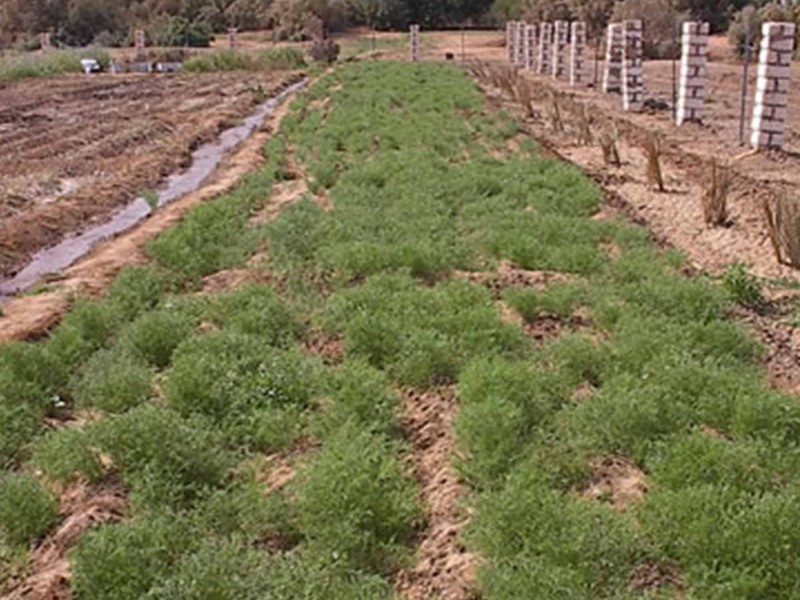
Conservation of Biodiversity in Rangelands of N.W. Coastal Zone, Egypt (EG-OP1-07) ...
Read More →
Mainstreaming Biodiversity and Supporting Civil Society Organizations during and beyond the 14th Biodiversity Conference
Mainstreaming Biodiversity and Supporting National Civil Society Organizations in the CBD COP14 and afterwards
Read More →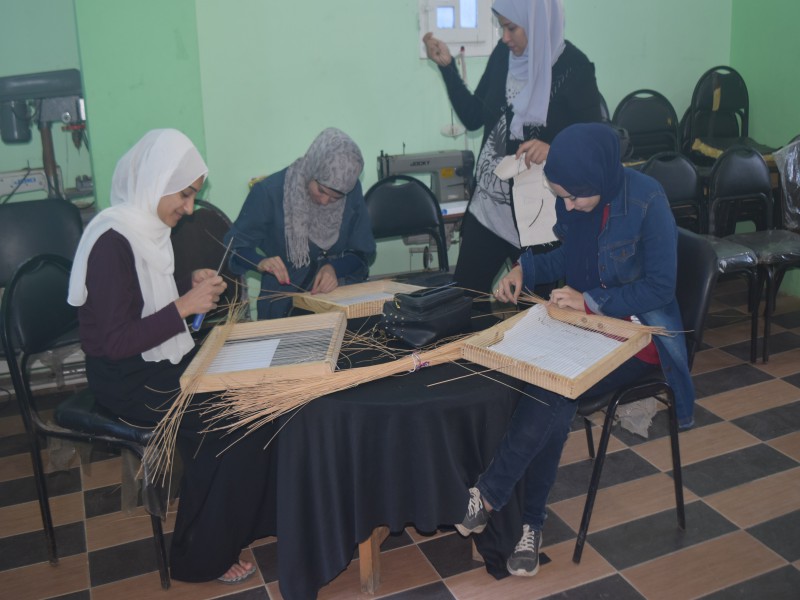
Innovative Initiatives for Environmental and Economic Empowerment of Women in El Badrasheen
Creative initiatives to economically empower women in Badrashin Gran...
Read More →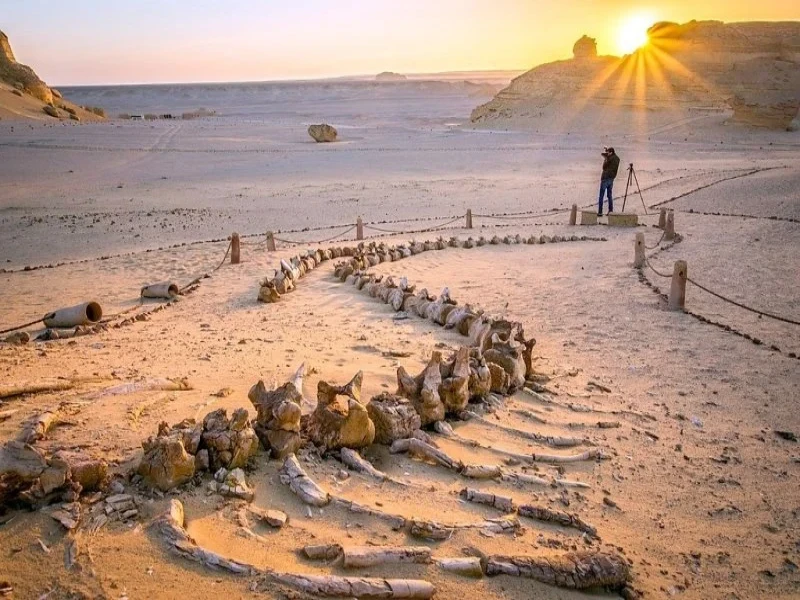
The Wadi Al-Hitan E-Platform – A Virtual Tour to Discover Our Natural Treasures
Wadi Al-Hitan Electronic Platform: A virtual tour to uncover our natural treasures ...
Read More →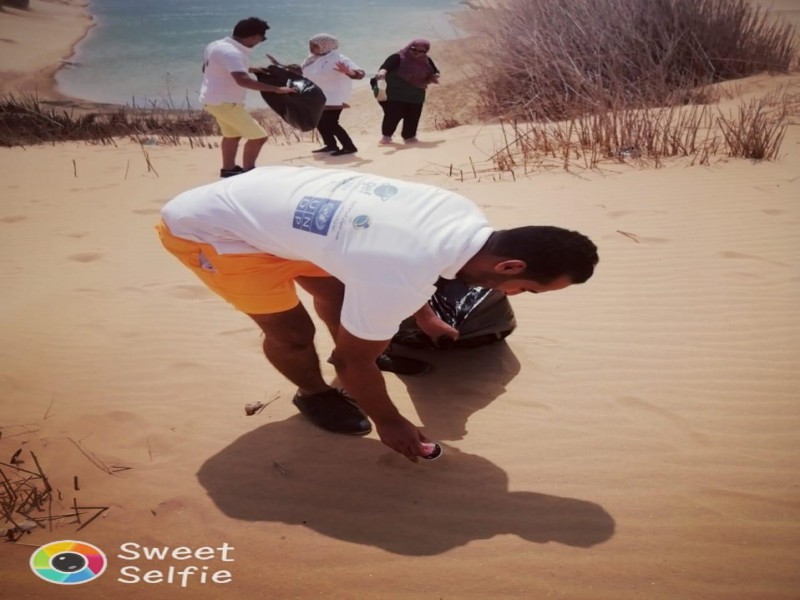
Developing a Solid Waste Management System to Support Ecotourism in Fayoum Protected Areas
Development of Solid Waste Management System to Support Ecotourism in Fayoum protected areas
Read More →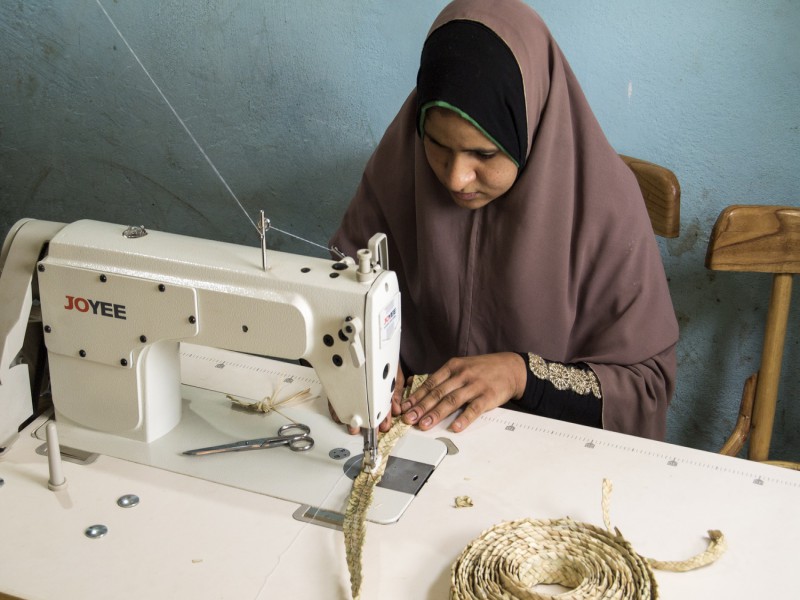
Industrial Use of Local Palm Fronds and Leaves
Industrial Utilization of Baladi Palm Midribs and leaflets Grantee:...
Read More →
Supporting sustainable ecotourism to preserve biodiversity
Support sustainable ecotourism activities for the conservation of biodiversity
Read More →
Bee Girls
The “Bee Girls” project, implemented by the Sinro Community Development Association, Fayoum Governorate, aims to promote environmental conservation...
Read More →


site.no_images


