

Carbon dioxide is the main greenhouse gas. Its concentration in the atmosphere depends on human activities, especially burning fossil fuels (coal, oil, and natural gas); deforestation particularly of tropical forests which are considered a huge store of carbon.
The concentration of carbon dioxide in the atmosphere depends also on its removal and sinks, in what is known as the geochemical cycle of carbon.
The balance in this cycle has been increasingly disturbed by human activities.
This led to an increase in atmospheric concentration of carbon dioxide from about 280 ppmv (parts per million by volume) in the pre-industrial years (about 1800) to about 360 ppmv at present.
In addition to carbon dioxide, there are several greenhouse gases, the most important are methane that is produced leakage of natural gas and from bacterial action in rice fields , burning of biomass and rearing domestic animals.
In addition, there is nitrous oxide that is produced by bacterial action in soil, and chlorofluorocarbons and tropospheric ozone.
Climate change models have recently indicated that if carbon dioxide concentration in the atmosphere reaches double the amount of pre-industrial concentration, the earth’s temperature will rise by 1.5 to 6 degrees C during the next 100 years (the most probable rise is of the order of 3 degrees).
There is evidence now that global warming and associated climate change will have a wide range of impacts on different ecosystems.
Some consider these as beneficial; others consider them as detrimental. For example, the productivity of some forests and crops might increase in some regions; in other regions it might deteriorate.
Also, rainfall might increase in some areas but might decrease in others.
In addition, it has been estimated that global warming would lead to a sea level rise of up to 65 cm.
This will affect several low coastal areas and islands.
As a precautionary measure, a United Nations Framework Convention on Climate Change was signed at the Earth Summit in Rio de Janeiro in 1992.
In 1997 the Kyoto Protocol was signed, by which 38 countries have agreed to reduce their total emissions of greenhouse gases by 5% from the 1990 levels, by 2008-2012.
In Egypt, emissions of greenhouse gases have been estimated to be about 100 million tones of carbon dioxide equivalent in 1990/1991, and are expected to rise at an annual rate of 4.9% to reach some 369 million tonne by the end of the development plan in 2016/2017.
However, this quantity constitutes only about 0.4 % of the total emissions of greenhouse gases in the world.
Global warming and associated climate change will have several impacts on agriculture and water resources in Egypt.
In addition, the low coastal areas, and wetlands in the northern parts of the Nile Delta and Sinai will be affected by the expected rise of the sea level; the magnitude of the effects will depend on the level that will be reached.
Global warming will also affect the coral reefs along the Red Sea Coast , and will have a wide rage of impacts on human health and ecosystems.
Egypt has formulated national plans in response to UNFCCC, the latest was in 1999. In addition, a plan is being prepared to institute the clean development mechanism (CDM), one of the tools introduced by the Kyoto Protocol.
Egypt has also implemented several projects in the area of energy conservation, replacement of liquid fuel by natural gas, and introduction of renewable sources of energy.
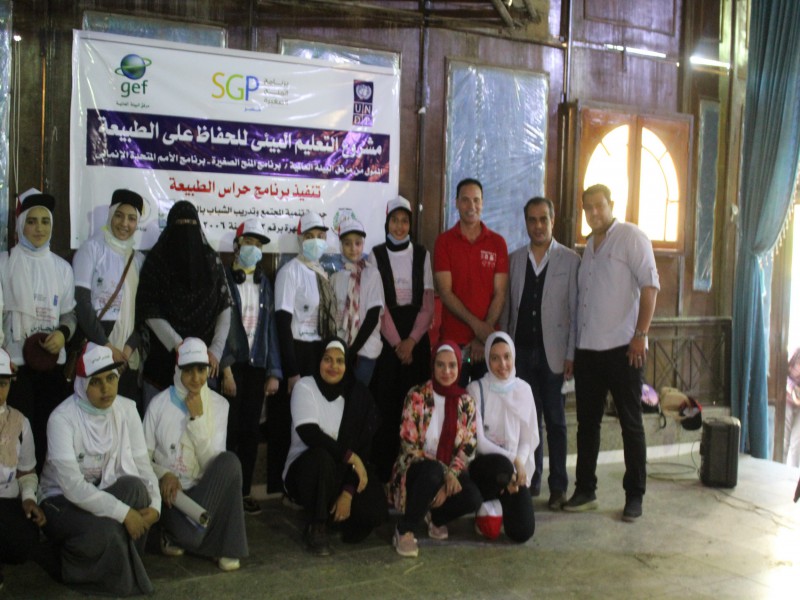

Promoting the use of shared bicycles at Fayoum University
Promote the use of bicycles to reduce emissions Grantee: Env...
Read More →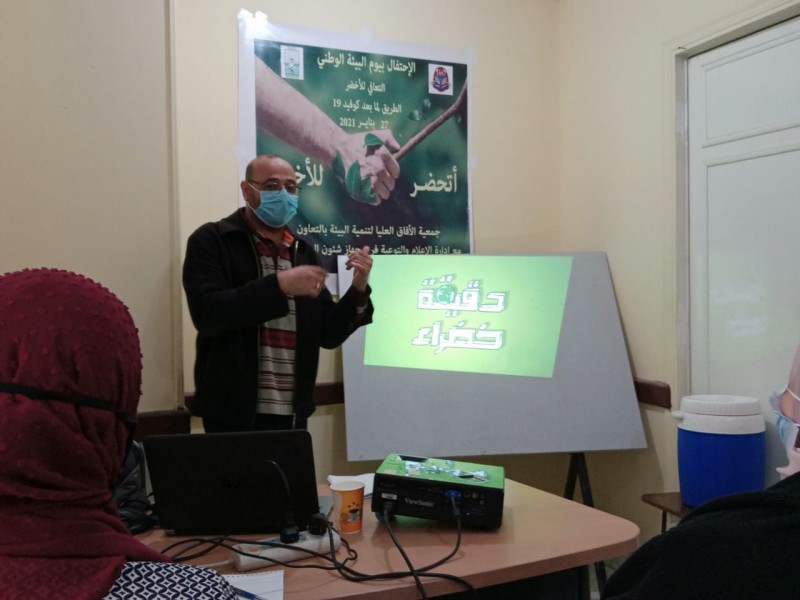
Rationalizing electricity consumption by using energy-saving bulbs
Electricity rationalization by using LED lamps Grantee: Al-A...
Read More →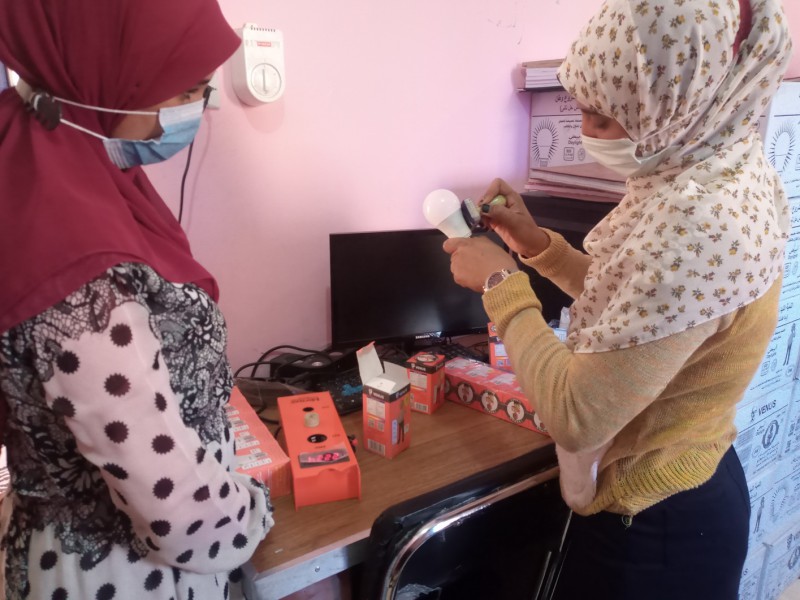
Renovate your home and save your energy
Save your Energy Grantee: Association of Modern Women Charit...
Read More →
Rationalizing energy consumption and improving its efficiency in the city and villages of Esna
Rationalize energy consumption and raise efficiency in the city of Esna and surrounding villages
Read More →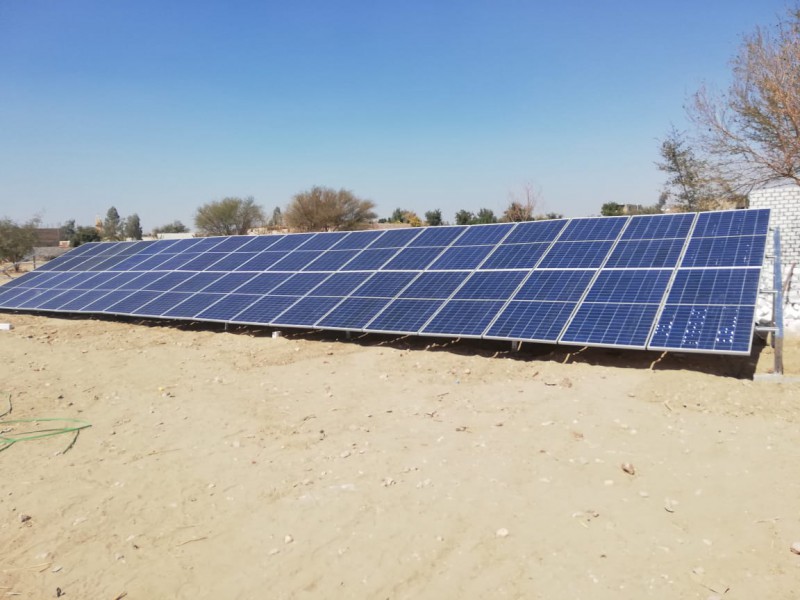
Using solar energy in agriculture to contribute to addressing climate change
Solar energy in agriculture to tackle climate change in Luxor Grante...
Read More →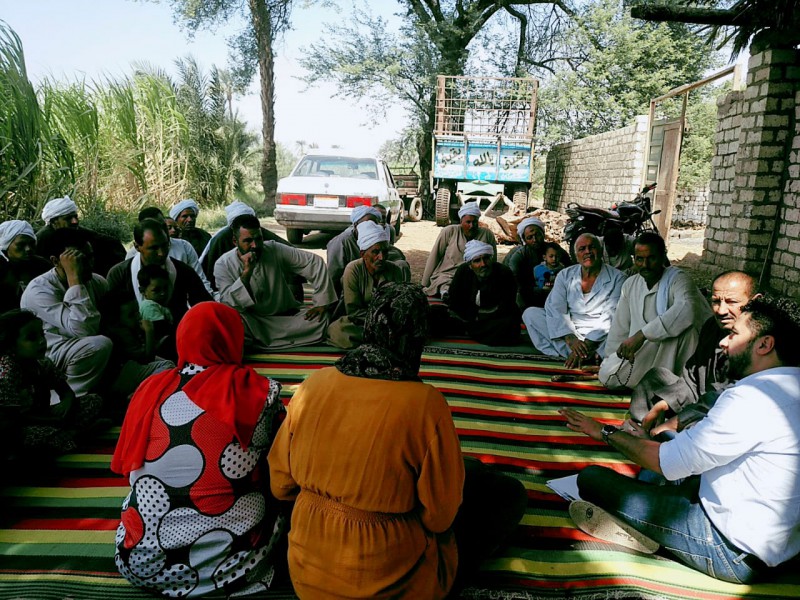
A point of light for alternative energy
Renewable Energy towards the future Grantee: Al Shorouk Asso...
Read More →
Producing biogas and organic fertilizers from animal waste
Production of biogas and organic compost from animal wastes Grantee:...
Read More →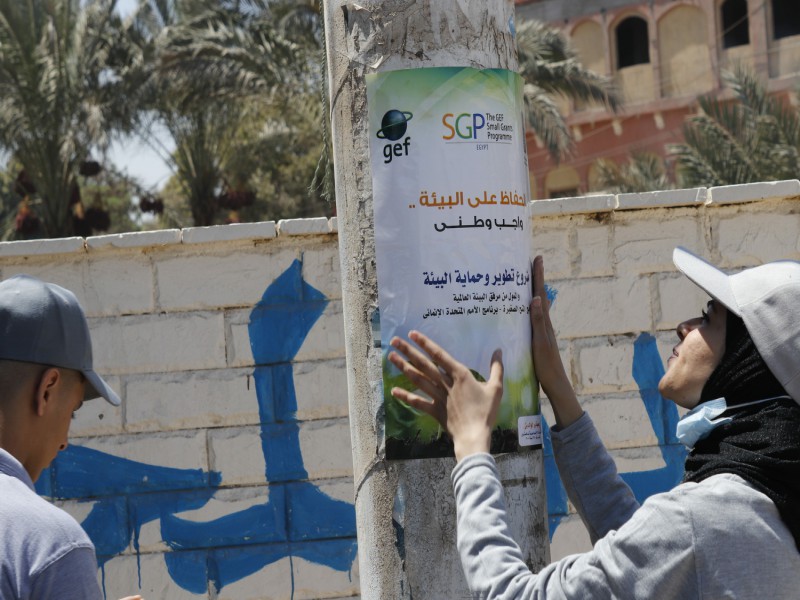
Developing a solid waste management system and protecting the environment
Improve solid waste management system in Dahshour Grantee: B...
Read More →
Recycling agricultural and organic waste
Recycling of solid and agriculture wastes Grantee: Roh El Ha...
Read More →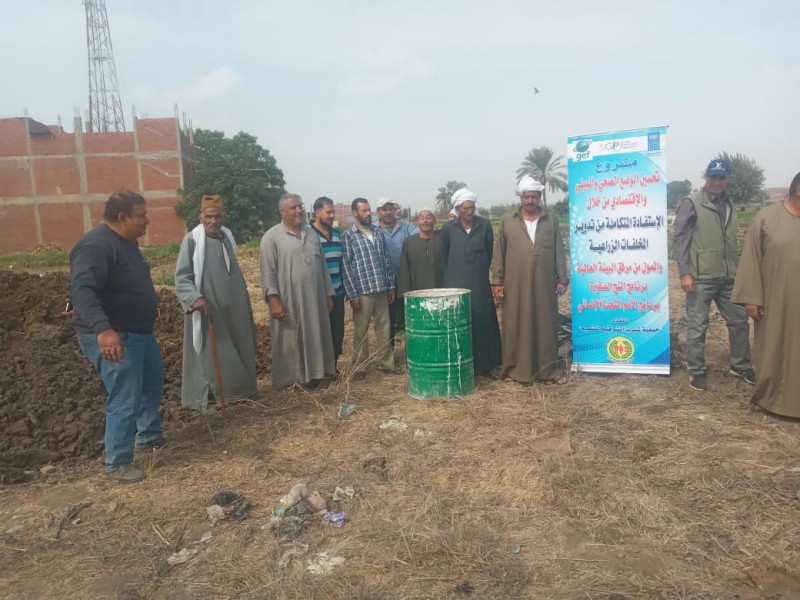
Improving health, environmental, and economic conditions by recycling agricultural waste in the villages of Zagazig
Agricultural waste recycling to improve health, environmental and economic conditions
Read More →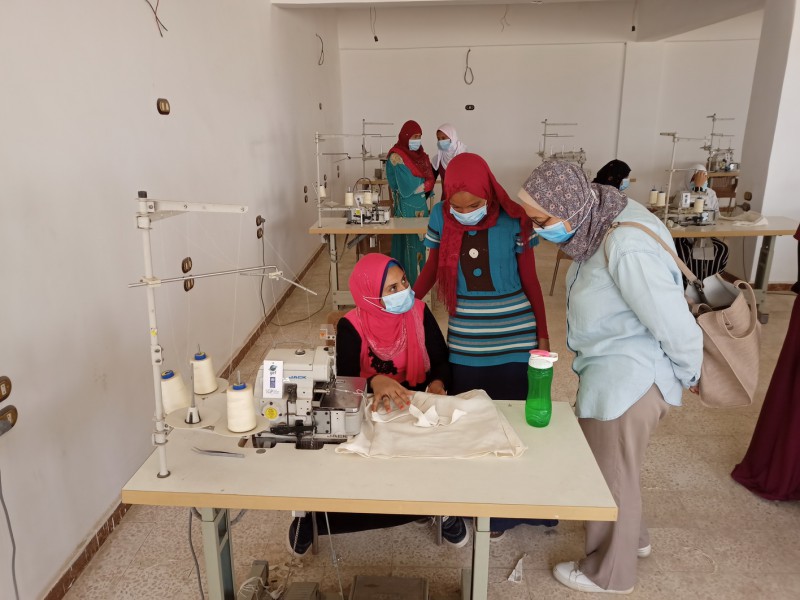
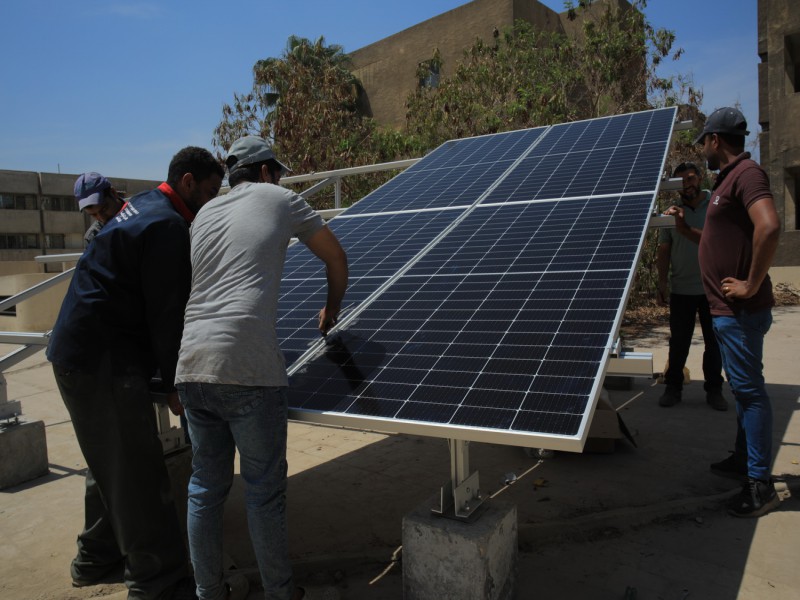
Maximizing the utilization of solar energy as one of the most important renewable energy sources in Qalyubia
Maximizing the use of solar energy in Qaliubiya Grantee: Pro...
Read More →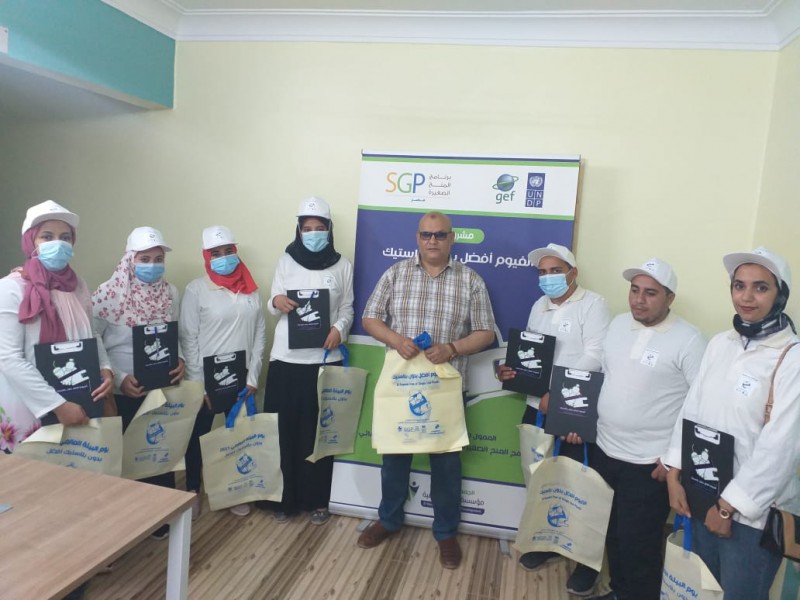
Fayoum is better without plastic
Fayoum Free of Plastic Grantee: Al-Nouran Foundation for Dev...
Read More →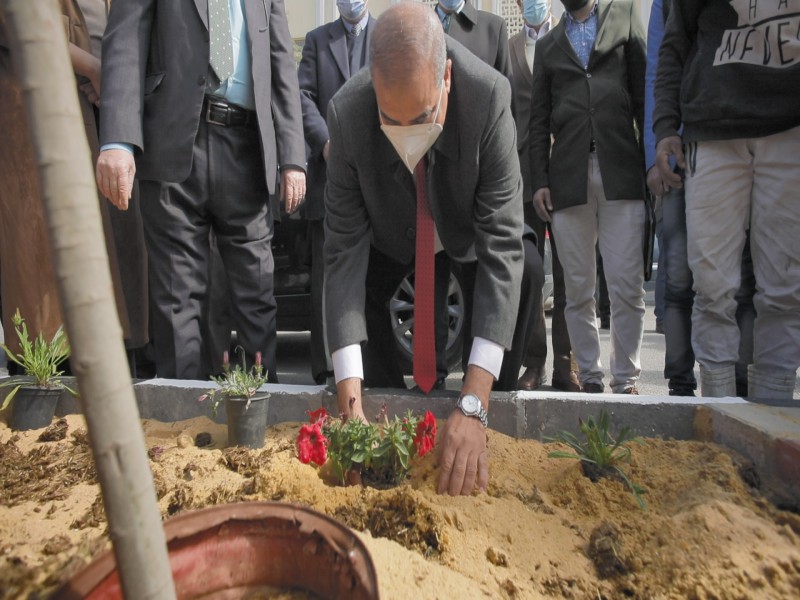
Promoting a culture of using solar energy and ecological systems in educational buildings at Al-Azhar University
To Promote the Use of Renewable Energy in Al Azhar University Grante...
Read More →
An eco-friendly bicycle initiative for every youth
Environment-friendly Bike Initiative for Youth Grantee: Gene...
Read More →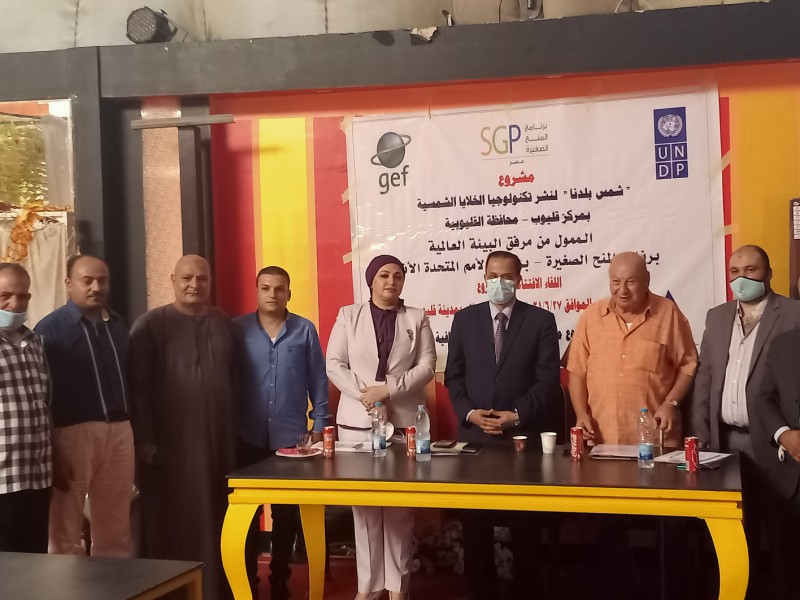
Developing solar panels in Qalyubia (Our Country's Sun)
Promoting Solar Panels in Qaliubiya (Shams Baladna) Grantee:
Read More →


site.no_images


site.no_images


site.no_images


site.no_images
