
“Bee Girls,” Field Schools, and “Green Gold”: Unprecedented Initiatives to Improve Rural Lives
The Small Grants Programme (SGP), under the Global Environment Facility (GEF), announced the funding of nine new projects, bringing the total number of projects supported in the seventh operational phase (2022–2026) to 25. These projects are being implemented across seven governorates in four geographical regions: Cairo and Giza in Greater Cairo, Alexandria and Beheira in North Delta, Qena and Luxor in South Upper Egypt, and Fayoum.
Dr. Emad El-Din Adly, National Coordinator of the SGP, confirmed that the new projects include two strategic projects, one pilot project, and six additional projects covering the program’s key areas: climate change mitigation, biodiversity conservation, land degradation prevention, international water management, and reduction of persistent organic pollutants.
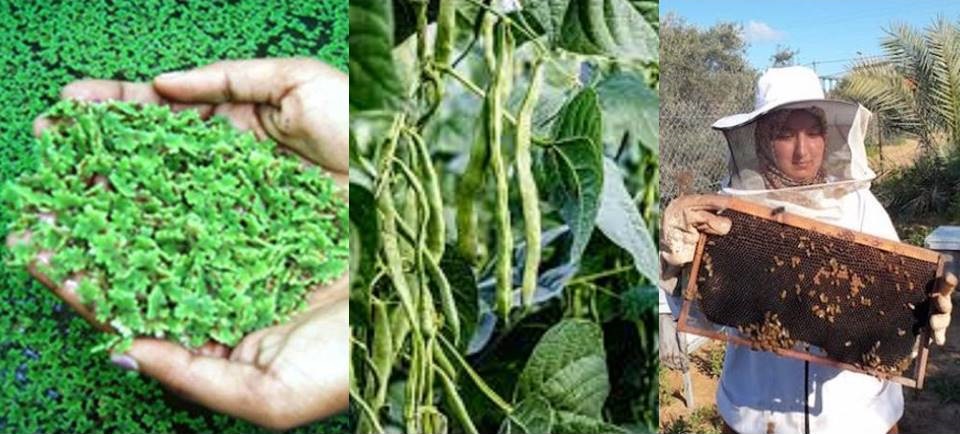
One of the strategic projects is “Bee Girls,” implemented by the Senro Qeblia Community Development Association in Fayoum. This project aims to protect biodiversity and ecosystem services by promoting sustainable beekeeping practices, supporting healthy honeybee colonies, and empowering girls through beekeeping initiatives, while fostering a deeper understanding of the ecological role of bees.
The second strategic project, “Climate Adaptation and Agricultural Land Protection,” is implemented by the Egyptian Association for Local Community Development in Beheira. It seeks to establish an integrated model for climate adaptation in agriculture, aiming to integrate this model into local and national agricultural policies, expand its application in climate-affected agricultural areas of North and Central Delta, and achieve a broader agricultural revival in Egypt. The project includes the creation of four field schools focusing on rice, artichoke, potato, and green beans as key export crops.
Among the pilot initiatives is “Azolla Egypt… Green Gold,” executed by the Integrated Services Association in Kafr El-Dawar, Beheira. This project establishes three integrated ecological systems using solar energy to cultivate azolla, a highly nutritious animal feed, across a total area of 159 acres in three villages targeted by the “Decent Life” initiative in Kafr El-Dawar.
Other new projects in the second round of the seventh operational phase include:
“Green Universities for a Better Future” by Our Climate, targeting the Faculty of Pharmacy at Alexandria University.
“Initiate” project promoting renewable energy in agricultural practices, by Om Al-Qura Community Development Association in Luxor.
“Green Model for Environmental Transformation in Tunis Village” by Spirit of Life Association in Fayoum.
“Sustainable Management of Plastic Waste and Climate Change Mitigation” by Al-Ruwad Foundation for Projects and Development in Cairo.
“Climate Change Mitigation and Resilience in Al-Amiriya District” by Youth of Egypt Association for Development and Environment in Cairo.
“Environmentally Friendly Youth Centers” by Egyptian Leadership Foundation for Development in Cairo.
These initiatives collectively aim to enhance rural livelihoods, strengthen environmental sustainability, and empower communities to adopt climate-resilient practices.