
The Small Grants Program: A Strategic Partner in Advancing Sustainable Agriculture in Egypt
The Small Grants Program (GEF/SGP), in its seventh operational phase in Egypt, is playing an active and influential role in supporting the transition toward sustainable agriculture. Through funding a series of pioneering projects targeting vulnerable farming communities, the program promotes sound natural resource management and empowers small-scale farmers both environmentally and economically.
In the villages of Armant in Luxor Governorate, the Future Pioneers Association for Economic Development organized awareness seminars and field visits as part of the project “Together for Building Sustainable Agricultural Communities.” These sessions introduced techniques such as sugarcane cultivation using seedlings and solar-powered irrigation systems. Agricultural consultants provided hands-on demonstrations of how these practices help conserve water, reduce costs, and increase productivity—raising farmers’ awareness and promoting a culture of clean farming.
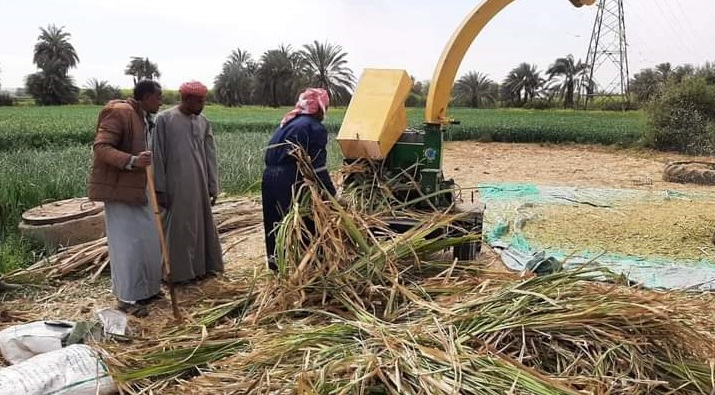
In Qena Governorate, the project “Sustainable Management of Our Natural Resources,” implemented by the Al-Shorouk Association for Rural Women’s Development in Naqada, successfully transformed how farmers handle sugarcane waste. Instead of open burning, the waste is now converted into organic fertilizer and livestock feed, reducing harmful emissions and opening new opportunities for a local green economy.
Luxor also witnessed a pioneering initiative by the Nour Al-Islam Charity Association, which launched a project to train residents in recycling horse manure into organic fertilizer. The project went beyond awareness-raising and culminated in the announcement of the first batch of organic fertilizer produced using this technique. The milestone was celebrated at a major conference attended by representatives from relevant ministries and development experts, earning media praise as a model for turning waste into economic resources that support sustainable agriculture.
In Beheira Governorate, the “Climate Change Adaptation and Agricultural Land Protection” project, implemented by the Egyptian Association for Local Community Development, is establishing field schools in Kafr El-Dawar and Abu Hummus. These schools aim to educate farmers on practices that mitigate the effects of climate change, such as recycling agricultural waste and protecting strategic crops. The project also includes economic empowerment for rural women, forming part of a holistic approach to sustainable agriculture.
In the heart of Al-‘Adhayma village in Luxor, a new initiative led by the Coptic Association for Social Care launched the project “Regenerative Agriculture Applications to Address Climate Change Impacts.” The project established demonstration fields to implement raised-bed wheat cultivation techniques, which have proven effective in conserving water, increasing yields, and improving soil aeration—enhancing food security and building resilience to climate change in rural communities.
These projects illustrate how small-scale funding can generate significant impact when strategically directed toward the communities that need it most. The Small Grants Program is not merely a funder of environmental projects—it is a catalyst for genuine development partnerships between civil society, local governments, and farmers, working together for a greener and more sustainable future.